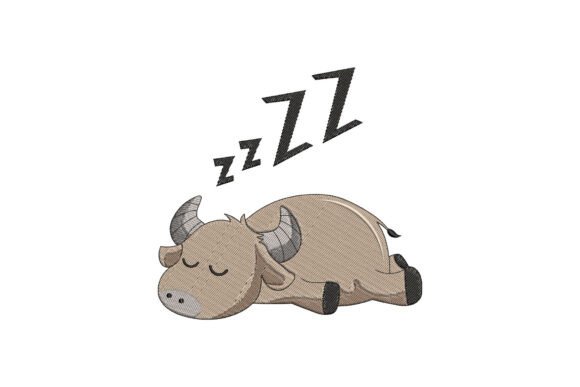
Sleeping Lazy Buffalo: A Business Design Review
As a professional embroidery designer who has spent years translating brand visions into tangible custom apparel, I approach every new machine embroidery design with a critical eye. My goal is not just to see if it looks pretty, but to determine if it can withstand the rigors of commercial production and elevate a small business's visual identity. Today, I am reviewing Sleeping Lazy Buffalo, a design categorized under Farm Animals that promises to upgrade crafting projects with ease and personality. For owners of boutiques, cafes, pet brands, or handmade studios, this piece offers more than just decoration; it presents an opportunity to inject character into your merchandise.
First Impressions: Personality Meets Professionalism
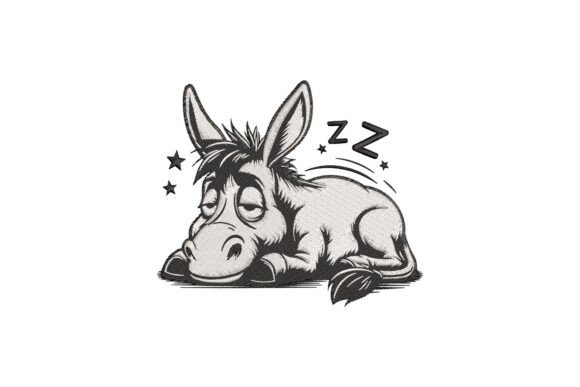
The title alone, Sleeping Lazy Buffalo, sets a distinct tone. It suggests a rustic charm mixed with a playful, laid-back attitude. In the world of Embroidery, designs that convey emotion without words are gold for branding. Upon initial inspection of the concept, this design feels friendly and approachable rather than overly formal or aggressive. It strikes a balance between a decorative element and a potential logo accent.
For a small business looking to stand out in a crowded market, such as a local bakery or a creative studio, a buffalo motif implies strength and reliability, while the "sleeping" aspect adds a touch of whimsy. This duality makes it versatile. It does not scream "corporate," which is often exactly what independent brands want. Instead, it whispers "handmade" and "authentic." The description notes it is easy to stitch, which is a crucial first indicator of its viability for high-volume runs where time equals money.
Strategic Applications for Small Business Merchandise
When evaluating a digital embroidery file for commercial use, I immediately visualize where it fits within a product line. Sleeping Lazy Buffalo is exceptionally well-suited for several key areas of small business merchandising:
- Branded Patches: This design is ideal for creating embroidered patches. A patch allows you to apply the design to various items without re-hooping each time. Imagine these on denim jackets for a fashion boutique or sewn onto the back of aprons for a farm-to-table restaurant staff.
- Staff Uniforms and Aprons: For businesses like florists or coffee shops, placing this design on the chest pocket or upper back of an apron creates immediate brand recognition. It serves as a conversation starter with customers, reinforcing the brand's friendly vibe.
- Tote Bag Design: Tote bags are a staple for eco-conscious brands. Placing the Sleeping Lazy Buffalo prominently on the front of a canvas tote transforms a utility item into a walking billboard for your shop.
- Cap Embroidery: If the design scales well, it could work beautifully on the front panel of a baseball cap. Caps are high-value items for event merch or customer gifts, offering excellent visibility.
- Product Packaging Accents: Beyond clothing, consider using this as a label or tag attached to handmade products. A small embroidered tag featuring the buffalo adds a premium feel that printed labels simply cannot match.
Navigating Technical Challenges and Limitations
While the concept is strong, every machine embroidery design has limitations that must be managed to ensure a professional finished product. As a designer, I advise caution in specific scenarios when using Sleeping Lazy Buffalo:
Size Constraints: If you intend to use this for very small patches or tiny sleeve details, verify the detail retention. Intricate outlines in animal designs can sometimes blur if stitched too small. Always check if the features remain distinct at 2 inches or smaller before committing to a bulk order.
Fabric Texture and Stabilizer: The success of any design depends heavily on the base material. On textured fabrics like heavy fleece or thick canvas, the stitch density might need adjustment to prevent puckering. You must use the proper stabilizer to support the weight of the thread, especially if applying this to dark uniforms where contrast is key.
Curved Surfaces: Applying this to the crown of a cap requires careful consideration. Curved surfaces can distort the shape of the buffalo if the design is not engineered with curve compensation in mind. Test stitching on a dummy cap to ensure the silhouette remains true.
Thread Colors and Contrast: To make the design pop, especially on branded merchandise, you must carefully select thread colors. A monochromatic look might be elegant, but high-contrast colors will ensure the design is legible from a distance, which is vital for brand recognition.
Impact on Brand Identity and Customer Trust
Incorporating Sleeping Lazy Buffalo into your product line goes beyond aesthetics; it influences how customers perceive your brand. High-quality commercial embroidery signals attention to detail and craftsmanship. When a customer holds a tote bag with a perfectly stitched buffalo, they associate that quality with your entire business.
This design asset helps build a cohesive brand identity. Whether used on small business merch or as a subtle accent on employee shirts, consistency in design builds trust. It tells the customer that you value quality over quick fixes. Furthermore, unique designs like this encourage social sharing. Customers are more likely to post photos of their branded items online if the design is cute, unique, and high-quality, effectively turning your clients into brand ambassadors.
Practical Designer Notes for Production Success
Before you purchase the embroidery file and start production, follow these essential steps to ensure the best results:
- Test in Black and White: Before buying expensive threads, run a test stitch in black to check the outline integrity and spacing. This reveals any structural weaknesses in the design.
- Verify Hoop Size: Confirm the hoop size required. Ensure your machine can accommodate the dimensions without needing to split the design, which can lead to misalignment.
- Check Licensing: Since this is for business use, confirm the commercial licensing terms. You need the right to use this design on products you sell to avoid legal issues.
- Create a Printable Mockup: Generate a printable mockup to show clients or stakeholders how the design looks on actual garments. This manages expectations and speeds up approval.
- Compare with Other Assets: Place the design next to other elements of your brand, such as your logo or typography, to ensure visual consistency.
- Inspect Stitch Density: Review the file settings. If the density is too high, it may cause fabric distortion; too low, and the backing might show through.
Sleeping Lazy Buffalo is a compelling addition to the Farm Animals category for those seeking a blend of rustic appeal and modern application. By understanding its strengths and navigating its technical requirements, you can transform this machine embroidery design into a powerful tool for your business. Whether it ends up on a cap, an apron, or a tote bag, the right execution ensures your brand leaves a lasting, positive impression.