Cute Easter Baby Bunny Embroidery Design Review
As a designer who has spent years curating machine embroidery design libraries for both personal craft and commercial production, I approach every new file with a critical eye. The market is flooded with generic patterns, but finding a piece that truly balances charm with technical reliability is rare. Today, I am evaluating the Cute Easter Baby Bunny, a design that promises to bring seasonal joy to various textile projects. My goal here is not just to describe the visual appeal but to analyze how this specific embroidery file performs when translated from a digital screen to a physical finished product.
First Impressions: Visual Personality and Mood
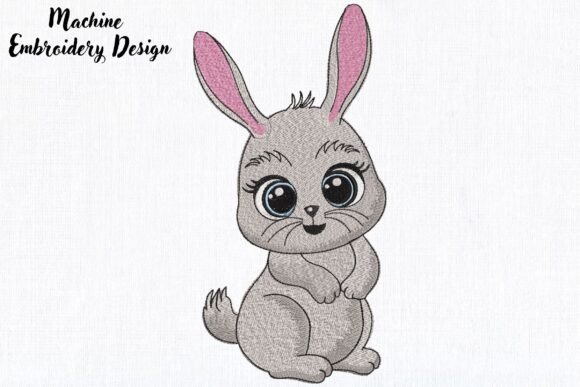
When I first opened the preview of Cute Easter Baby Bunny, the immediate reaction was one of warmth. In the world of Animals themed designs, many bunnies lean toward the abstract or overly complex. This design, however, strikes a perfect middle ground. It features big, expressive eyes and a distinctively fluffy tail, elements that instantly communicate innocence and playfulness. The layout is compact yet balanced, avoiding the trap of being too sparse or overly cluttered.
For an Etsy seller or a small shop owner looking to launch a spring collection, the visual personality of this bunny is its strongest asset. It evokes a sense of nostalgia and tenderness, making it ideal for personalized gift items. The design does not feel like a generic clip-art conversion; instead, it feels crafted with an understanding of how thread interacts with fabric. The curves are smooth, suggesting that the digitizer paid attention to the flow of the satin stitch along the edges, which is crucial for maintaining that "cute" factor without jagged lines.
Real-World Application: From Tote Bags to Baby Wear
To truly understand the value of Cute Easter Baby Bunny, I need to visualize it in a real-life scenario. Imagine you are preparing a line of custom embroidered tote bags for a local boutique. You want something that stands out on the shelf but remains versatile enough for everyday use. Placing this bunny on a natural canvas tote bag creates an instant focal point. The contrast between the soft, rounded shapes of the rabbit and the sturdy texture of the canvas works beautifully.
However, my primary interest lies in custom apparel, specifically baby clothing. The description notes that this rabbit is ideal for children's clothing, and after reviewing the stitch paths, I agree. If I were to embroider this onto a cotton onesie or a soft fleece sweatshirt, the design would hold up well. The fill stitch areas appear dense enough to provide coverage without becoming stiff, which is vital for garments that need to remain comfortable against sensitive skin. For a craft business focusing on nursery decor, this design could be transformed into a charming pillow cover or a decorative accent on a blanket.
Consider also the potential for creating an embroidered patch. Many makers prefer patches because they allow for easy application on denim jackets, hats, or backpacks. The defined outline of Cute Easter Baby Bunny suggests it would translate perfectly into a standalone patch. The fluffy tail, in particular, offers a great opportunity for textural variation using different thread types or stitch angles, adding depth to the final piece.
Navigating Technical Challenges and Fabric Choices
While the design is promising, experienced designers know that no digital embroidery file is universally perfect without adjustments. There are specific situations where Cute Easter Baby Bunny requires careful handling. First, consider the hoop size. While the design appears compact, always verify the actual dimensions before loading your machine. Attempting to force this design into a hoop that is too small can distort the proportions, ruining the symmetry of the bunny's face.
Fabric texture plays a significant role in the outcome. On smooth fabrics like quilting cotton or linen, the details will pop. However, if you plan to use this on highly textured fabrics like terry cloth or heavy denim, the stitch density might need adjustment. The intricate details around the eyes and ears could get lost in the weave of a thick fabric. Similarly, working with stretchy fabrics like jersey knit requires a high-quality stabilizer. Without proper backing, the tension from the stitching could cause the fabric to pucker, distorting the cute expression of the bunny.
Dark fabrics present another challenge. If you are producing sweatshirt embroidery in black or navy blue, the default thread colors provided in the file may lack sufficient contrast. You might need to adjust the palette to ensure the white or pastel tones of the bunny stand out clearly. Additionally, avoid placing this design on curved surfaces like caps unless you have experience with cap hoops and stabilizers. The flat nature of the design might struggle to conform to the curve of a baseball cap brim without warping.
Enhancing Product Value and Brand Consistency
For the small shop product creator, the choice of design directly impacts customer perception. Using a high-quality pattern like Cute Easter Baby Bunny elevates the perceived value of your handmade items. Customers buying holiday embroidery gifts expect a level of professionalism that reflects care and attention to detail. A well-executed bunny design signals that you take pride in your work, fostering trust and encouraging repeat business.
This design also supports brand consistency. If your shop focuses on whimsical, family-friendly products, incorporating this bunny across various items—such as aprons, tea towels, and handmade product tags—creates a cohesive visual identity. It becomes a recognizable element that customers associate with your brand. Furthermore, the versatility of the design allows for creative variations. You could pair it with simple running stitch borders or combine it with other seasonal motifs to create unique compositions for your Etsy listings.
Practical Designer Notes for Success
- Test Before Production: Always run a test stitch on scrap fabric that matches your final project material. This helps you identify any issues with thread tension or stabilizer needs.
- Check Thread Colors: Review the color sequence carefully. Ensure the contrast is visible on your chosen background fabric. Adjustments may be needed for dark materials.
- Verify Hoop Size: Confirm that the design fits comfortably within your machine's hoop without crowding the edges, which can lead to registration errors.
- Inspect Small Details: Zoom in on the eyes and nose during the preview phase. These tiny areas are prone to thread breaks if the density is too high.
- Use Proper Stabilizer: Do not skimp on backing. A cut-away stabilizer is often best for stretchy fabrics, while tear-away works well for stable cottons.
- Licensing Check: Before selling finished items or digital files, confirm the licensing terms. Ensure you have the right to use this commercial embroidery asset for your business.
- Mockup Testing: Create a printable mockup to visualize how the design looks on different products before committing to expensive thread and fabric.
In conclusion, Cute Easter Baby Bunny is a solid addition to any designer's library. It captures the essence of the season with a charming aesthetic that translates well across various mediums. By respecting the technical requirements and applying professional judgment during the stitching process, you can create high-quality, market-ready products that delight customers. Whether you are a hobbyist making gifts or a serious entrepreneur building a brand, this design offers a reliable foundation for your next embroidery project.