Coffee First Cute Highland Cow Design Review
As an embroidery designer who has spent years translating digital files into tangible brand assets, I approach every new design with a critical eye. When a small business owner or apparel decorator asks for my opinion on the Coffee First Cute Highland Cow, I am not just looking at a cute animal; I am evaluating a potential cornerstone for their brand identity. This specific machine embroidery design sits at the intersection of rustic charm and modern coffee culture, making it a compelling candidate for various commercial applications. However, before you download this digital embroidery file and run your first production batch, we need to dissect how it performs in real-world scenarios.
First Impressions: Visual Personality and Brand Fit
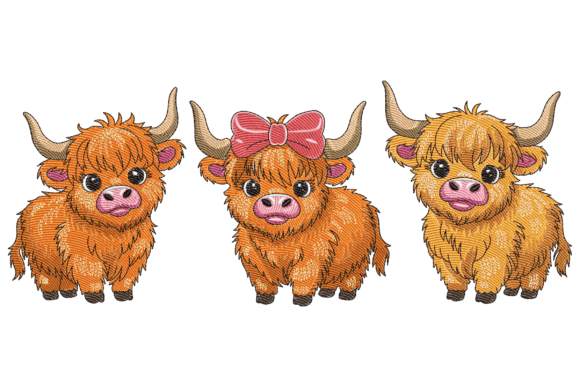
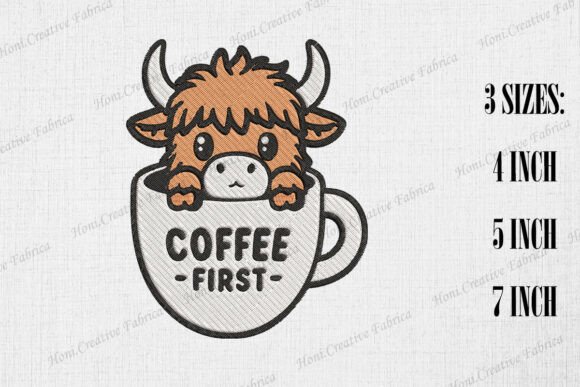
The moment you load the preview of Coffee First Cute Highland Cow, the aesthetic is immediately clear. It leans heavily into the "cute" and "rustic" categories, which are currently trending in the handmade product market. The Highland Cow silhouette is distinct, offering a shaggy, textured look that translates surprisingly well into stitch patterns. For businesses like boutique cafés, bakeries, florists, or pet brands, this design exudes a friendly, approachable vibe. It suggests a brand that values community, warmth, and perhaps a touch of whimsy.
However, does it feel professional enough for a corporate uniform? That depends entirely on execution. While the subject matter is playful, the quality of the lines determines its premium status. If the digitization is clean, this design can elevate a simple tote bag design or apron embroidery into a signature brand mark. It avoids being overly generic by combining two strong visual elements: the universal appeal of coffee and the unique character of the Highland Cow. This combination creates a memorable visual hook that can significantly boost customer recognition.
Strategic Applications for Small Business Merch
When considering how to deploy Coffee First Cute Highland Cow in your small business merch lineup, versatility is key. This design is not limited to a single garment type. Here is how I recommend utilizing it across different product categories:
- Embroidered Patches: This is arguably the strongest use case. Creating a high-quality embroidered patch allows you to apply the design to denim jackets, backpacks, or even as a detachable logo for seasonal merchandise. The detailed fur texture of the cow works beautifully when raised slightly from the background fabric.
- Staff Uniforms and Aprons: For a café or bakery, placing this design on the chest pocket of a work shirt or the bib of an apron adds immediate character. It humanizes the staff and makes the brand feel more personal. Just ensure the placement is consistent across all team members to maintain visual consistency.
- Cap Embroidery: The compact nature of the Highland Cow makes it suitable for cap fronts. However, because caps have curved surfaces, you must verify that the design does not distort when applied to the dome of the hat.
- Tote Bag Design: Tote bags are excellent canvases for larger-scale branding. A bold version of Coffee First Cute Highland Cow centered on a canvas tote can serve as both a functional item and a walking billboard for your shop.
- Product Packaging Accents: Beyond apparel, consider using this design on fabric tags, gift boxes, or as a seal on homemade goods. It reinforces the handmade product narrative and adds perceived value to the finished product.
Technical Considerations and Potential Pitfalls
While the concept is sound, the technical execution of any machine embroidery design requires careful planning. As a designer, I always advise clients to test before they commit to a large run. Here are the specific areas where Coffee First Cute Highland Cow requires attention:
Stitch Density and Fabric Texture
The shaggy appearance of a Highland Cow relies on dense stitching to create the illusion of fur. If you attempt this design on a lightweight knit or a highly textured fabric like terry cloth towels without proper backing, the result may be puckered or blurry. Always check the stitch density settings in your software. High density on thin fabric can cause distortion, ruining the professional look you are aiming for.
Size Limitations and Detail Loss
Do not shrink this design too aggressively. If you are using it for a tiny sleeve detail or a small cap emblem, the intricate details of the cow's face and the coffee cup might get lost. In commercial embroidery, clarity is king. If the design becomes a muddy blob at 1 inch wide, it fails its purpose. Test it at your intended size on a scrap piece of the actual fabric you plan to use.
Thread Color Contrast
The success of this design often hinges on thread colors. On dark uniforms, light-colored thread is essential for visibility. Conversely, on a white apron, using a monochromatic scheme might look elegant but could lack the pop needed for brand recognition. Experiment with color palettes that align with your existing design assets. Ensure the contrast between the cow, the coffee cup, and the background is sufficient for quick identification.
Impact on Brand Identity and Customer Trust
Using a cohesive design like Coffee First Cute Highland Cow goes beyond decoration; it builds trust. When customers see a high-quality embroidered patch on a staff member's uniform or a well-finished tote bag, they subconsciously associate that quality with your products. It signals that you care about the details. This is crucial for Etsy sellers and local crafters competing in a saturated market. A branded item with a unique, custom feel stands out against mass-produced alternatives.
Furthermore, consistency is vital for brand identity. If you use this design on your website mockups, your physical store signage, and your merchandise, you create a unified visual language. This repetition aids in memory retention. Customers begin to recognize the Highland Cow as a symbol of your brand, much like a logo. Over time, this visual consistency fosters loyalty and encourages repeat business.
Practical Designer Notes for Production
Before you finalize your order or start stitching, follow these practical steps to ensure the best results:
- Test in Black and White: Before committing to expensive threads, run a test in black and white to evaluate the line weight and balance of the design.
- Verify Hoop Size: Check the dimensions of the design against your hoop size. You do not want to stretch the design to fit a smaller hoop, as this will alter the proportions of the cow and the coffee cup.
- Select the Right Stabilizer: For items like baby onesies or delicate home decor, use a tear-away or cut-away stabilizer appropriate for the fabric weight. For structured items like caps, a stiffener mesh is often required.
- Create a Printable Mockup: Generate a realistic printable mockup for client approval or social media marketing. This helps visualize how the embroidery looks in context before production begins.
- Confirm Licensing: Always confirm the commercial licensing terms of the digital embroidery file. Ensure you have the right to use Coffee First Cute Highland Cow for unlimited commercial projects if you plan to sell the finished goods.
In conclusion, Coffee First Cute Highland Cow is a robust asset for businesses in the Farm Animals and Embroidery niche, particularly those targeting a cozy, community-focused demographic. With proper testing and strategic application, it can transform standard merchandise into a powerful tool for brand storytelling and customer engagement. Treat it not just as a picture, but as a vital component of your brand's visual strategy.