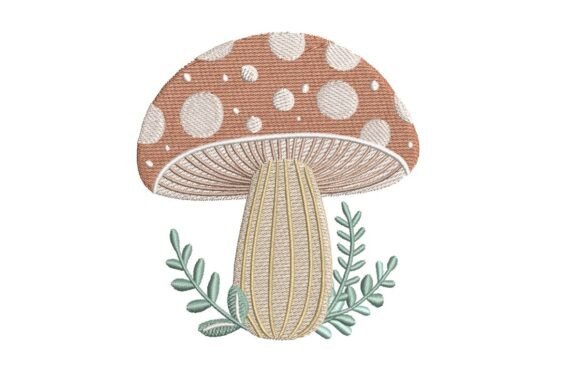
Cottagecore Mushroom: A Designer's Business Review
As a professional embroidery designer who has spent years translating digital files into tangible brand assets, I approach every new machine embroidery design with a critical eye. It is not enough for a pattern to look pretty on a screen; it must translate seamlessly into physical merchandise that builds trust and value for a small business. Today, I am reviewing the Cottagecore Mushroom, a design categorized under Fairy Tales. This piece promises a whimsical aesthetic featuring a spotted toadstool with detailed gills nestled among soft foliage. Let us evaluate whether this embroidery file holds up as a serious asset for branded merchandise, patches, and commercial apparel.
First Impressions: Whimsy Meets Professionalism
The first thing that strikes me about the Cottagecore Mushroom is its balance between playful charm and structural integrity. In the current market, where handmade brands and boutique shops are seeking unique ways to stand out, this design hits a sweet spot. It feels rustic yet polished, evoking a sense of nature and magic without appearing childish or cluttered. For a bakery, florist, pet brand, or creative studio, this visual personality suggests a brand that values quality, creativity, and a connection to the earth.
Unlike generic clip art often found in low-quality bundles, the description highlights specific details like "detailed gills" and "soft foliage." From a design perspective, these elements indicate a thoughtful construction. The spotted toadstool serves as a strong focal point, while the surrounding foliage provides necessary framing. This composition is crucial for creating a cohesive brand identity. When customers see this motif on an apron or a tote bag, they immediately recognize the aesthetic consistency of your shop. It signals that you care about the details of your finished product.
Real-World Application for Small Business Merch
When considering how to deploy the Cottagecore Mushroom across various products, the versatility becomes apparent. Here is how this digital embroidery file performs in practical business scenarios:
- Embroidered Patches: This design is ideally suited for high-quality woven or embroidered patches. The distinct shape of the mushroom allows it to be die-cut cleanly. You can sell these as standalone collectibles for Etsy or use them to upgrade plain denim jackets and backpacks sold in your boutique.
- Staff Uniforms and Aprons: For a café or bakery, placing the Cottagecore Mushroom on the chest pocket of staff shirts or the bib of an apron creates a welcoming atmosphere. It transforms standard workwear into branded uniforms that tell a story. The soft foliage complements natural fabrics like cotton and linen often used in these settings.
- Cap Embroidery: The compact nature of the toadstool makes it a perfect candidate for cap fronts. However, because of the detailed gills mentioned in the description, you must ensure the placement area is large enough to maintain clarity.
- Tote Bag Design: A larger scale application on canvas tote bags works beautifully. The contrast of the mushroom against the natural texture of canvas enhances the rustic vibe. This is excellent for event merch or as a premium customer gift.
- Product Packaging Accents: Beyond apparel, consider using this as a small label or tag on handmade soaps, candles, or baked goods. Even a tiny version of the mushroom can elevate the perceived value of a packaged item.
Strategic Considerations and Potential Pitfalls
While the Cottagecore Mushroom is visually appealing, a professional designer knows that context is everything. There are specific areas where this design requires careful handling to avoid production issues or a cheap appearance.
First, consider the stitch density. The description notes "detailed gills," which implies a higher concentration of stitches in a small area. If you attempt to embroider this on a thin fabric or a very small patch size, the density could cause puckering or make the fabric stiff. Always test the design on a scrap piece of your actual material before running a full production batch.
Second, be mindful of cap embroidery and curved surfaces. While the mushroom shape is organic, the detailed foliage might lose definition if stretched over the curve of a baseball cap. You may need to simplify the design slightly or increase the hoop size to accommodate the curvature without distorting the image.
Third, thread color selection is vital. On dark uniforms, the light colors typically associated with mushrooms (creams, pinks, whites) will pop, but you must ensure the stabilizer is adequate to prevent show-through. Conversely, on very textured fabrics like heavy wool or corduroy, the fine details of the gills might get lost in the weave. In such cases, a bold outline or a simplified version of the design assets might be more effective.
Impact on Brand Identity and Customer Trust
In the competitive world of small business merch, every stitch counts toward your reputation. Using a well-crafted design like the Cottagecore Mushroom communicates professionalism. It tells your customer that you invest in quality branding rather than relying on generic, mass-produced graphics. This attention to detail fosters customer trust and encourages repeat business.
Furthermore, this design supports visual consistency. Whether it appears on a custom apparel item, a promotional patch, or a printable mockup sent to a client, the recognizable motif strengthens your brand recognition. Customers begin to associate the whimsical, nature-inspired vibe of the mushroom with the quality of your services or products. This emotional connection is powerful; it turns a simple transaction into a relationship based on shared aesthetics and values.
Practical Designer Notes for Production
Before you commit the Cottagecore Mushroom to your next commercial project, follow these essential steps to ensure success:
- Test in Black and White: Before selecting vibrant thread colors, run a test in monochrome. This helps you verify that the spacing and outlines are clear and that no details are too fine to be seen at the intended size.
- Verify Hoop Size: Check the file specifications to confirm the required hoop size. Ensure your machine and workspace can accommodate this size comfortably, especially if you plan to produce large quantities.
- Select the Right Stabilizer: Given the detailed foliage, use a cutaway or tear-away stabilizer appropriate for your fabric weight. Proper stabilization is the difference between a crisp logo and a messy, puckered mess.
- Create a Mockup: Always generate a printable mockup showing the design on the actual garment or product. Share this with clients for approval before stitching begins.
- Check Commercial Licensing: As a business owner, it is imperative to confirm the licensing terms of the embroidery file. Ensure you have the right to use the Cottagecore Mushroom for commercial embroidery purposes, including selling finished goods.
- Compare with Other Assets: Place the mushroom design alongside your other design assets to ensure it fits your overall visual style guide. Does it clash with your existing logos, or does it complement them?
The Cottagecore Mushroom offers a delightful opportunity for businesses in the Fairy Tales aesthetic niche to enhance their product line. By treating this Embroidery design with the same rigor as any corporate logo, you can create merchandise that is not only beautiful but also commercially viable. Whether adorning a chef's apron, a gardener's cap, or a boutique shopper's tote, this design has the potential to become a signature element of your brand. Just remember to test, stabilize, and license correctly, and let the magic of the mushroom grow your business.