FSL Christmas Sock: A Designer's Business Review
As an embroidery designer who has spent years refining designs for small business merchandise, I approach every new digital embroidery file with a critical eye. The goal is never just to create something pretty; it is to build a visual asset that elevates a brand. When I first encountered the FSL Christmas Sock, my initial reaction was one of cautious optimism. The title suggests a classic holiday motif, but in the world of commercial embroidery, classics must be executed flawlessly to avoid looking dated or amateurish. This review explores how this specific design translates from a digital screen to tangible products like patches, uniforms, and branded gifts.
First Impressions: Professionalism Meets Holiday Cheer
The description promises artistry crafted to ignite love for Christmas, compatible with all kinds of embroidery machines. In my experience, "compatible with all" often means the design relies on standard satin stitches and fill patterns that are forgiving across different machine brands. Visually, the FSL Christmas Sock presents as a friendly and playful icon. It feels less like a high-fashion statement and more like a warm, rustic welcome. For a boutique bakery, a local florist, or a handmade pet brand, this aesthetic is perfect. It signals approachability and community spirit.
However, for a corporate uniform or a premium apparel line, the design requires careful placement. The charm lies in its simplicity, but that same simplicity can feel underwhelming if the execution lacks precision. As a designer, I see this as a versatile tool rather than a standalone masterpiece. Its value comes from how well it integrates into a broader brand identity. If your brand voice is cozy, traditional, and festive, this machine embroidery design fits seamlessly. If you aim for ultra-modern or minimalist luxury, you may need to adjust the thread colors or simplify the outline further.
Real-World Application: From Patches to Uniforms
When evaluating a design for small business merch, I immediately visualize where it will live on the product. The FSL Christmas Sock is particularly strong when used as an embroidered patch. Because the shape is distinct and recognizable, it works beautifully as a detachable accessory. Imagine a café offering these patches as loyalty rewards or a creative studio selling them as limited-edition holiday collectibles. The design holds its own even when backed with felt or twill, making it ideal for customer engagement.
For staff uniforms, the design shines on aprons and caps. An apron embroidery placement on the bib allows the sock to be seen clearly without distorting the fabric during movement. Similarly, cap embroidery on the front panel offers a fun twist on standard logo placement. Instead of a stiff company name, the sock adds a seasonal personality that customers associate with your brand during the holidays. I have also seen great success using this motif as a sleeve detail on work shirts or as a corner accent on tote bag design projects. These placements allow the design to act as a subtle nod to the season without overwhelming the primary branding.
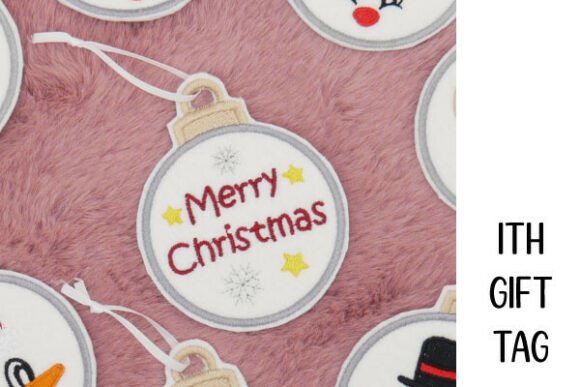
In the realm of custom apparel, this file serves as an excellent add-on for holiday collections. Think of it as a secondary logo placed near the hem of a sweater or on the cuff of a jacket. It transforms a generic garment into a branded piece of holiday wear. For Etsy sellers and crafters, this design is a goldmine for creating handmade product labels or packaging accents. A small embroidered tag featuring the sock can significantly increase the perceived value of a gift basket or a set of cookies.
Strategic Placement and Brand Identity
Using the FSL Christmas Sock effectively requires understanding its impact on your brand identity. Consistency is key. If you use this design, ensure the color palette aligns with your existing assets. Do not let the red and green clash with your logo unless that contrast is intentional. When done right, this commercial embroidery project builds trust by showing attention to detail. Customers notice when a business invests in quality finishes. A well-executed sock design on a tote bag or a cap suggests that the business cares about the presentation of their goods.
This design also enhances buyer engagement during the peak shopping season. It creates a sense of urgency and exclusivity. Limited-run items featuring the FSL Christmas Sock can drive traffic to your shop or social media channels. By pairing the design with a printable mockup for your website, you give customers a clear vision of the finished product, reducing hesitation and increasing conversion rates.
Critical Considerations for Production
While the potential is high, there are areas where the FSL Christmas Sock must be handled with care. First, consider the size. On very small patches or tiny cap fronts, intricate details can get lost. Always check the stitch density before running a full production run. If the design is too dense for a small area, it may cause puckering or thread breakage, ruining the finished product.
Fabric texture plays a crucial role as well. On heavy denim or thick canvas, the design pops nicely. However, on thin, textured fabrics like knits or linen, the stitches might sink in or distort. Always test the design on the actual material you intend to use. Use a proper stabilizer to support the fabric, especially if you are working with dark uniforms where the white or light-colored threads need to stand out without bleeding through.
Another critical factor is the hoop size. Ensure your machine can accommodate the design within the available hoop space without needing to re-hoop mid-stitch, which can lead to registration errors. If you are planning to use this for large-scale design assets, verify the scalability. Does the sock look good at 2 inches? At 4 inches? Sometimes, resizing a design changes the balance of the satin stitches, leading to gaps or overlaps.
Practical Designer Notes for Success
- Test in Black and White: Before committing to expensive holiday threads, run a test in black and white to check the stitch flow and coverage.
- Verify Thread Colors: Ensure the contrast between the sock and the background fabric is sufficient for visibility from a distance.
- Inspect Spacing: Check that the spacing between satin columns is consistent to prevent thread bunching.
- Confirm Licensing: Always confirm the commercial licensing terms before using the embroidery file for business purposes. Ensure you have the right to sell items made with this design.
- Create Mockups: Generate a printable mockup for client approval to manage expectations regarding the final look.
- Compare Assets: Place the design beside other elements of your brand kit to ensure visual consistency.
Final Verdict for Merch Creators
The FSL Christmas Sock is a solid addition to any embroiderer's library for the holiday season. It is not merely a decorative element but a functional tool for boosting brand recognition and adding value to your merchandise. Whether you are decorating staff aprons, creating custom caps, or producing limited-edition patches, this design offers a blend of tradition and charm that resonates with consumers.
However, its success depends entirely on execution. Take the time to test, stabilize, and plan your color strategy. When applied correctly, this machine embroidery design becomes more than just a picture of a sock; it becomes a symbol of your brand's festive spirit and professional dedication. For small business owners looking to capitalize on the holiday rush with high-quality, memorable merchandise, the FSL Christmas Sock is a worthy investment, provided you respect the technical nuances of commercial production.