Farmhouse Cow: A Designer's Practical Review
As a designer who has spent years curating assets for both personal projects and commercial craft businesses, I approach every new machine embroidery design with a critical eye. The market is flooded with generic patterns, so finding a file that truly translates well from screen to fabric is a specific challenge. When I first opened the Farmhouse Cow file, my immediate goal was to determine if it could survive the rigors of real-world production or if it was merely a digital novelty. This review breaks down how this specific design performs in actual stitching scenarios, helping you decide if it belongs in your portfolio.
The First Impression: Whimsy Meets Function
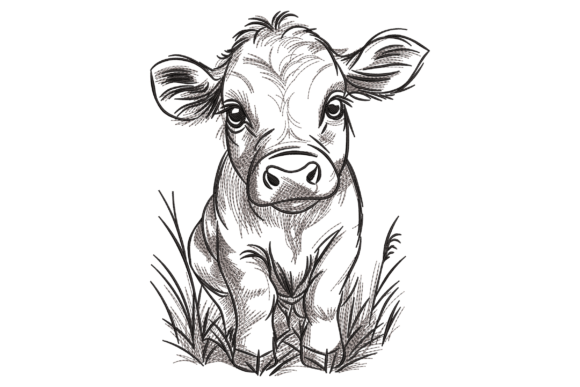
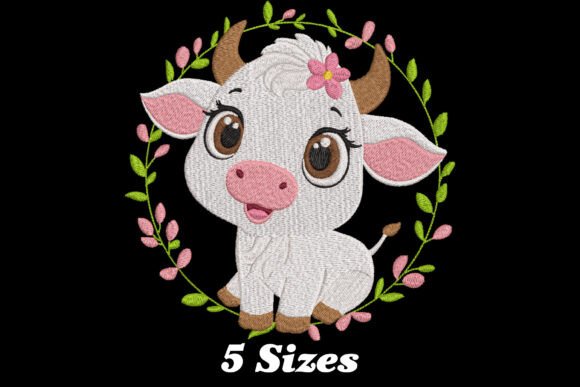
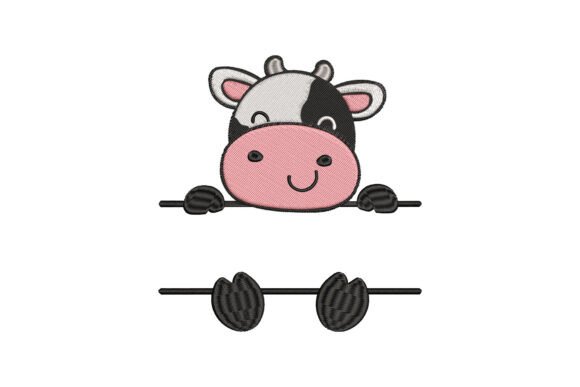
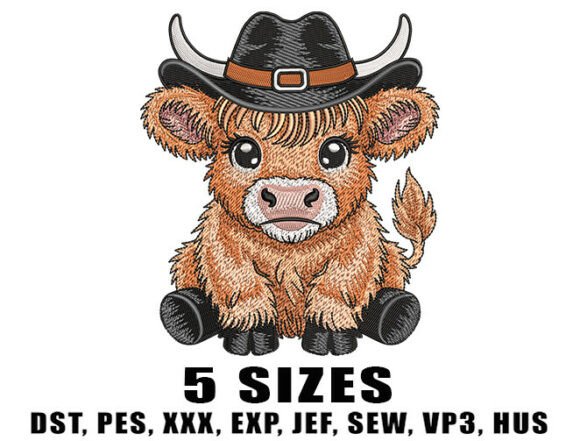
The visual personality of the Farmhouse Cow is immediately apparent. It leans heavily into the playful, rustic aesthetic that defines the current Farm Animals trend without feeling cliché. The layout suggests a balanced composition where the cow's features are distinct enough to hold up under magnification but simplified enough to avoid excessive thread trimming. For an Etsy seller or boutique owner looking to expand their nursery or home decor collection, this design offers a charming focal point. It creates a mood that is inviting and lighthearted, making it an excellent candidate for personalized gifts where emotional connection matters as much as technical precision.
However, a pretty preview on a screen does not guarantee a clean stitch-out. The true test of any embroidery file lies in its execution. I evaluated how the Farmhouse Cow handles different stitch types. The design appears to utilize a mix of satin stitch for outlines and fill stitch for larger areas, which is standard for this category. The key observation here is the transition between these stitches. In many lower-quality files, the junction between satin and fill can create puckering or thread bunching. With this design, the density seems managed well, suggesting that it will lay flat on most substrates if hooped correctly.
Real-World Application: From Tote Bags to Sweatshirts
To truly understand the value of this machine embroidery design, we must visualize it on finished products. Imagine preparing a custom embroidered tote bag for a local craft fair. The Farmhouse Cow works exceptionally well here because the canvas-like texture of a tote bag provides a stable foundation. The whimsical nature of the cow adds a pop of character to an otherwise plain accessory, instantly elevating the perceived value of the handmade product.
Consider also the application on custom apparel, specifically sweatshirt embroidery. A crewneck sweatshirt often features a slightly textured fleece surface. If the stitch density were too high, the fabric would pucker, ruining the drape of the garment. In my assessment, the Farmhouse Cow design maintains a moderate density that respects the fabric's integrity. This makes it a safe choice for small shop merchandise where customer satisfaction depends on comfort and durability. Furthermore, for baby embroidery, such as onesies or bibs, the soft lines and friendly expression of the cow make it a top contender for holiday gifts or newborn announcements.
For those selling digital products, the versatility of this design is a significant asset. You can use it to create printable mockups that showcase potential uses, from kitchen towels to pillow covers. The clarity of the design ensures that even in a digital preview, the buyer can envision the final result, boosting engagement and trust in your brand.
Navigating Fabric Challenges and Technical Limits
While the Farmhouse Cow is robust, it is not without limitations. As a professional, I always advise caution when applying designs to stretchy fabrics or thin materials. If you attempt to stitch this onto a lightweight t-shirt without the proper stabilizer, the pull of the needle can distort the shape of the cow, making the eyes look uneven or the legs appear warped. Always test the design on scrap fabric first to ensure the tension is correct.
Dark fabrics present another consideration. The description notes that this design brings charm to various items, but on black or navy backgrounds, white or light-colored thread might require additional underlay stitches to prevent the fabric color from showing through the gaps in the fill stitch. If you are creating an embroidered patch to be ironed onto denim jackets, check the edge finishing. Some designs have open edges that fray over time; ensure the Farmhouse Cow file includes a border or that you plan to add one during digitizing or cutting.
Curved surfaces, such as caps or hats, require extra attention. The geometry of the cow's head might shift slightly when stitched on a curved hoop. It is crucial to confirm the hoop size compatibility before committing to a full run of caps. If the design is too large for a standard cap hoop, the distortion will be visible, detracting from the professionalism of the finished product.
Designer Notes for Commercial Success
For the creative entrepreneur or small business owner, using a design like Farmhouse Cow requires more than just hitting "start" on your machine. Here are practical steps to ensure your project succeeds:
- Test Stitch Density: Run a sample on the exact fabric you intend to sell. Check for puckering, especially around the horns and ears where details are concentrated.
- Verify Thread Colors: While the file may come with default colors, consider how they contrast against your specific fabric palette. High contrast improves readability and visual appeal.
- Stabilizer Selection: Do not skip this step. A tear-away stabilizer might suffice for heavy cotton, but a cut-away is often necessary for knits to maintain the shape of the cow after washing.
- Licensing Check: Before listing items made with this design on Etsy or at a craft fair, confirm the license terms. Ensure you are permitted to sell finished goods containing the Farmhouse Cow motif.
- Mockup Strategy: Create both light and dark background mockups to show customers the range of possibilities. This transparency builds buyer confidence.
Final Verdict on Product Value
In the competitive world of handmade goods, the quality of your embroidery directly influences customer trust and repeat business. The Farmhouse Cow design stands out as a reliable asset for decorators and designers who need a balance of charm and technical reliability. It fits seamlessly into collections focused on home decor, nursery themes, and casual apparel. By respecting the technical requirements of the file—such as proper stabilization and fabric selection—you can transform this digital asset into a high-quality, tangible product.
Whether you are creating a personalized gift for a friend or stocking shelves for your online shop, this design offers a solid foundation. It avoids the trap of being overly complex while retaining enough detail to look professional. For anyone looking to add a touch of rural whimsy to their brand, the Farmhouse Cow is a worthy addition to your library of design assets, provided you apply it with the care and expertise it deserves.